


Custom Traditional Sumi E Painting Manufacturer
Jiaxing Zhongmeng Thermal Insulation Material Co., Ltd is located in Jiaxing, Zhejiang, China. The main creators have decades of Chinese painting creative experience and have many honors. The company now has more than a dozen employees and is currently under development.
Why Choose Us
Wide Product Range
We provide customized sizes, and customized frameworks, and can modify the color of the painting according to customer requirements.
Retail and Wholesale Service
We provide retail and wholesale services for individuals and enterprises of various scales. We are selling Chinese paintings at the right price, and establishing long-term business relationships.
Professional Service Team
We have a dedicated customer service team that can guide you to choose. From creation to mounting, it is completed by the company, which ensures the integrity of the product and its packaging to the greatest extent.
Excellent Technology
Chen Zhiliang's Chinese painting and calligraphy works have participated in the exhibitions of esteemed institutions such as the China Artists Association, the Chinese Calligraphers Association, and the Xiling Seal Society, garnering accolades and recognition within the art world.

Sumi Mountain is a striking representation of traditional East Asian ink painting technique, focusing on the depiction of mountains using fluid brushstrokes and black sumi ink. This art form captures the majesty, tranquility, and symbolism associated with mountains in Asian culture. Sumi Mountain embodies the harmonious blend of nature and artistic expression.

The process of sumi painting involves the use of calligraphy brushes made from animal hair, which are dipped in the ink and then applied onto the paper with precise strokes.Sumi painting is often used to portray natural landscapes, animals, and calligraphy. The technique is known for its simplicity, yet it requires great skill and discipline in terms of control and precision.

Elevate your living and working spaces with the beauty and tranquility of Sumi-e landscapes, creating an atmosphere of serenity and inspiration. Sumi-e landscape paintings are highly prized by art collectors who appreciate their artistic mastery and connection to nature. These paintings offer a means for personal expression and gifting, enabling individuals to convey their appreciation for nature's beauty.

Famous Sumi-e Paintings represent an exquisite collection of traditional East Asian ink paintings known for their simplicity, elegance, and profound expression. Sumi-e, also known as Suibokuga, is an ancient technique that uses black ink and simple brushstrokes to capture the essence and spirit of the subject, making it a hallmark of Asian artistry.

The Sumi-e painting techniques focus on the essential elements of the subject matter, leaving out the unnecessary details, and using the white space to create a feeling of minimalism and tranquility. It is often used to portray various themes, such as nature, landscapes, and animals. The materials used in this painting are typically brush, ink, paper, and an inkstone to grind the ink. Sumi-e painting requires patience, precision, and mastery of brush control.

Sumi-e is a traditional painting technique that uses black ink and water to create simple, yet elegant paintings. Watercolor, on the other hand, is a painting technique that uses water-soluble pigments to create vibrant and colorful paintings. To combine the two techniques, you can use watercolor to create a base layer of color and then use Sumi-e techniques to add black ink details on top.
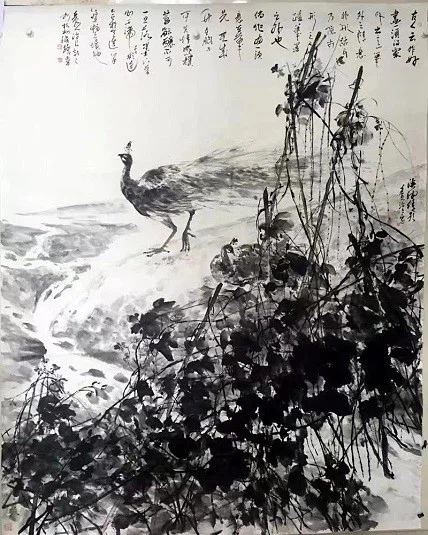
Sumi-e is a form of traditional ink painting that uses black ink on white paper to create simple, elegant, and minimalist depictions of natural or abstract subjects. It requires a careful and controlled brushstroke, and often features asymmetrical compositions and negative space to convey a sense of balance and harmony.

Sumi-e is a minimalist style of painting that uses black ink and a brush to create depictions of natural subjects such as bamboo, flowers, and landscapes. Sumi-e painting is known for its simplicity and elegance, with artists striving to capture the essence of the subject with simple brushstrokes. The use of negative space and the emphasis on the beauty of imperfection are also important elements in Sumi-e.

Sumi painting emphasizes the use of brush strokes to create a sense of movement and texture within the image. Artists use a variety of brushes, including large ones for bold strokes and small ones for delicate details. The ink is applied in layers, allowing for a range of tones from deep blacks to lighter grays. Sumi painting often features natural subjects, such as flowers, landscapes, and animals.
Definition of Traditional Sumi E Painting
In the world of art, various styles transcend time and cultures, making enduring marks on creativity. Sumi-e, a painting technique, is one such gem that captivates hearts worldwide with its beauty and unadorned simplicity. But what is Sumi-e exactly? The Sumi means ink and e means painting. So it can be translated as Ink painting. It is a monochromatic style rooted in ancient China and evolved in Japan. It relies on a minimalistic approach, using only black ink called Sumi made from soot, rice paper, and specialized brushes which are animal hair such as goat, weasel, horse, etc.
Features of Traditional Sumi E Painting
The Elegance of Simplicity
Sumi-e places great emphasis on simplicity, precision in brushwork, and creating tonal variations from deep black to the most delicate shade of gray. The blank space called Yohaku is also important to keep the balance of the painting and to outstand the black parts. Blank space can represent sky, clouds, etc according to the paintings as well.
The Significance of Spontaneity
Despite meticulous strokes, Sumi-e values spontaneity, capturing subjects with few chances for correction. It demands deep concentration and a close connection between the artist and their creation. The strokes never will be the same. Each stroke is unique and not repeatable.
Symbolism
Symbolism in Sumi-e goes beyond technique, encapsulating profound symbolism often inspired by nature. Each brushstroke aims to convey the spiritual and emotional essence of the subject, prioritizing essence over realism. And, even in modern times, contemporary themes inspire Sumi-e's works.
Sumi-e in the Modern World
Despite its deep historical roots, Sumi-e's influence persists as artists from around the world blend tradition with contemporary innovation. Sumi-e reminds us that beauty resides in simplicity, and pure artistic expression holds profound power, inviting us to view the world with tranquility and introspection
4 Basic Brushstrokes: Sumi-e Techniques
Hold the brush vertically and pull it across the paper. Use your entire arm when moving, not just your wrist. Use this stroke to draw: branches, flower stems, leaf veins, cat whiskers, water movement, etc. Remember to move from your shoulders, not your wrists!
Pressure Stroke
Holding the brush upright, pull it across the paper, but vary the pressure you put on the brush as you pull so that the width of the brush strokes varies. Use this stroke for bamboo leaves, willow leaves, grass, cattails, irises, chrysanthemums, etc.
Side Stroke
Hold the brush at a 45 degree angle, now drag the brush across the paper so that the ink comes from the side of the brush (this is a thick stroke). Use this stroke for bamboo stalks, flower petals, leaves, clouds, mountain tops, etc.
Smooshing Stroke
Hold the brush upright, and relax the handle so it tilts a bit. Push down on the brush so that both the tip and heel are in contact with the paper. Now twist the heel of the brush into the paper. Use this stroke for flower petals, panda ears, etc.
Common Traditional Sumi E Painting Themes
Landscape: Sumi-e landscape paintings often feature mountains, rivers, waterfalls, and trees. These landscapes symbolize the connection between humans and nature, reflecting the influence of Zen Buddhism.
Bamboo: Bamboo is a popular subject in Sumi-e painting and represents endurance, strength, and integrity. Artists depict bamboo in various forms, from entire groves to individual stalks.
Flowers: Sumi-e flower paintings typically depict elegant, delicate blossoms like cherry blossoms, plum blossoms, chrysanthemums, or lotus flowers. Flowers can symbolize beauty and transience.
Animals: Birds, fish, insects, and even mythical creatures like dragons or phoenixes are often portrayed in Sumi-e paintings. These animals may symbolize various traits, such as freedom, wisdom, or strength.
Seasons: Sumi-e often captures the changing beauty of the seasons. Artists represent the four seasons through imagery like cherry blossoms in spring, maple leaves in autumn, or snow-covered landscapes in winter.
Water: Water, in various forms like oceans, lakes, or waterfalls, is another recurring theme in Sumi-e painting. Artists strive to capture the essence and movement of water through expressive brushwork.
Reflections and Shadows: Sumi-e paintings may focus on capturing the essence of reflections or the interplay of light and shadow. This technique adds depth and dimension to the artwork.
Tips for Keeping Traditional Sumi E Painting
When handling paintings, wear a clean pair of lightweight gloves. Whilst your hands might look clean to the naked eye, oils from your skin might transfer onto your traditional Sumi E painting causing stains and damage to canvases. Never lean a painting against anything that isn't a flat surface as it might stretch it.
This applies to anything you'd like to hang. Consider the weight of the traditional Sumi E painting and take its frame, if applicable, into account. Take special care of your artwork's placement and keep them out of reach of children and pets. Whilst this might seem like simple advice, it is important to keep them away from wagging tails and little hands. Not only would a fallen damage cause damage to itself, but it would also cause injury to the little ones.
Regardless of whether you're leaving a traditional Sumi E painting to hang in your living room or storing it away, it is important to keep a painting away from extreme temperatures. Keep your painting away from spaces that might experience ongoing fluctuations in temperatures, moisture, and humidity, as they go hand in hand and will all be harmful to your works.
Always avoid spaces with direct sunlight, and consider the ceiling lights you are using as the heat they produce might also cause damage to your work over time. If using high wattage lights, make sure there is a fair amount of distance between them and your painting.
Avoid placing your painting close to cooling or heating units such as air conditioning units, radiators, fireplaces, and air vents.
Traditional Sumi E paintings should be dusted a few times a year, subject to where they are placed, and what sort of setting they're in. It's important to check for any signs of deterioration whilst you dust and keep an eye out for flaking paint. You may use a dry cloth or a clean soft painter's brush to dust your artworks, be it painting or sculpture. However, make a note to avoid feathers dusters as their fibers may latch onto canvases and the edges that paint leaves on an artwork.
Works on paper are probably the most susceptible to damp. For canvases, signs of damp will first be noticed on the back of the canvas. Discoloration and distinctive brown marks can appear after periods of time due to the climate the artwork has been in. Once again, if this painting means something to you, consider getting it cleaned or restored professionally to ensure its lifespan.
Never Use Chemicals
Many cleaning products will permanently damage your traditional Sumi E paintings; Even water has the capacity to deteriorate works. Many chemical products are abrasive, and some even have colour changing properties that can wear away at materials.
Ultimate FAQ Guide to Traditional Sumi E Painting
Q: What is Sumi E painting?
Q: What materials are used for Sumi E painting?
Q: What is the philosophy behind Sumi E painting?
Q: What are some common subjects in Sumi E painting?
Q: What are the 8 key lessons from Sumi-e?
Never use more (color) when less will do.
Omit useless details to expose the essence.
Careful use of light-dark is important for creating clarity and contrast.
Use color with a clear purpose and informed intention.
Clear contrast, visual suggestion, and subtlety can exist harmoniously in one composition.
In all things: balance, clarity, harmony, simplicity.
What looks easy is hard (but worth it).
Q: What is the role of brushwork in Sumi E painting?
Q: What is the difference between Western and Eastern painting?
1. Technique: Western painting emphasizes realism and perspective, while Eastern painting focuses on brushwork and line work.
2. Color: Western painting uses a wider range of colors and shades, while Eastern painting tends to use a more subdued color scheme.
3. Subject matter: Western painting often depicts religious or historical scenes, while Eastern painting typically features landscapes, nature, or everyday life.
4. Composition: Western painting relies on a fixed composition, while Eastern painting is often more improvisational and emphasizes negative space.
Q: What is the significance of black ink in Sumi E painting?
Furthermore, Sumi E painting primarily employs brush strokes, and the artist seeks to capture the essence and beauty of the subject instead of striving for perfect reproduction. The subdued, natural look produced by black ink allows the beauty of the brushwork and the subject to shine through. It is the absence of colors that allow the nuances of the brush stroke to emerge triumphantly.
Q: What is the role of water in Sumi E painting?
Q: What color ink is primarily used in sumi ink paintings?
Q: What color scheme is the Sumi-e painting technique?
Q: Where does sumi-e originate from?
Q: What medium is usually used to make sumi paintings?
Q: What are the characteristics of sumi-e painting?
Q: What is used to make sumi-e paintings?
Hot Tags: sumi landscape painting, China sumi landscape painting, Sumi E Painting Animals, Chinese Famous Painting Fish, Traditional Ink Art, Sumi Landscape Painting, Traditional Ink Painting, Sumi Mountain