

Custom Ink Wash Painting Manufacturer
Jiaxing Zhongmeng Thermal Insulation Material Co., Ltd is located in Jiaxing, Zhejiang, China. The main creators have decades of Chinese painting creative experience and have many honors. The company now has more than a dozen employees and is currently under development.
Why Choose Us
Customize Product
We provide customized sizes, and customized frameworks, and can modify the color of the painting according to customer requirements.
Retail and Wholesale Service
We provide retail and wholesale services for individuals and enterprises of various scales. We are selling Chinese paintings at the right price, and establishing long-term business relationships.
Professional Service Team
We have a dedicated customer service team that can guide you to choose. From creation to mounting, it is completed by the company, which ensures the integrity of the product and its packaging to the greatest extent.
Excellent Technology
Chen Zhiliang's Chinese painting and calligraphy works have participated in the exhibitions of esteemed institutions such as the China Artists Association, the Chinese Calligraphers Association, and the Xiling Seal Society, garnering accolades and recognition within the art world.

Chinese Ink Landscape Painting
Chinese Ink Landscape Paintings pay homage to China's profound artistic and natural heritage, allowing you to connect with the country's rich cultural traditions. These artworks capture the serenity and elegance of Chinese landscapes, inviting viewers to immerse themselves in the beauty of nature. Chinese Ink Landscape Paintings serve as both aesthetic enhancements and cultural depth, making them suitable for various settings, from homes and offices to galleries and exhibitions.

Chinese Water Ink Painting, also known as "shuǐ mò huà" , is a traditional art form that originated in ancient China. It involves using brushes, water, and ink to create expressive and visually stunning artworks. The technique emphasizes the flow and movement of water, blending with ink to produce harmonious compositions often inspired by nature and traditional Chinese culture.

Chrysanthemum flowers hold special cultural significance in China, symbolizing longevity, resilience, and beauty, making them a meaningful subject for art. Chrysanthemum Ink Painting captures the elegance of these flowers through brush and ink, allowing you to appreciate their grace and detail in artistic form. Chrysanthemum Ink Paintings are versatile and well-suited for various settings, from homes and offices to galleries and exhibitions, offering aesthetic depth and cultural significance.

Chinese ink painting is a traditional style of painting that has been practiced in China for centuries. It involves using black ink on rice paper or silk to create delicate and detailed images of various subjects, including landscapes, animals, flowers, and people. Step into the captivating world of renowned Chinese ink painting with our carefully curated collection of Famous Chinese Ink Painting Reproductions.

Chinese Famous Painting Mountains
Chinese painting mountains is a prominent subject in traditional Chinese painting. The compositions of Chinese painting mountains are also important; artists use the yin-yang concept, balancing light and dark, emptiness and fullness, and blending the mountain and water together in one painting.

Chinese Sumi-e Painting is celebrated for its simplicity and elegance, allowing you to capture the essence of subjects with minimal brushstrokes. This collection is designed for artists, art enthusiasts, and individuals who appreciate the minimalist and expressive beauty of traditional Chinese brush painting.
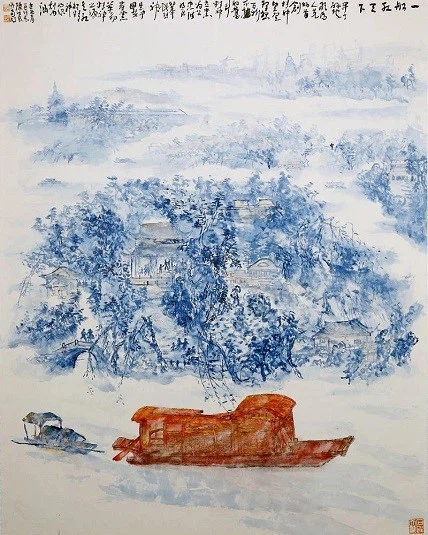
Chinese Ink Drawing Painting is an art form rooted in Chinese culture and traditions. It is a discipline that involves using ink and brushes to create detailed and expressive artworks, often featuring elements such as landscapes, nature, characters, and more. The essence of Chinese artistry and the profound history of ink-based painting are central to this form.

Elevate your living space with the captivating allure of Abstract Chinese Ink Paintings, adding a touch of cultural depth and contemporary artistry to your interior decor. These paintings are an excellent addition to art collections, offering a unique blend of tradition and innovation that appeals to art enthusiasts and collectors. Abstract Chinese Ink Paintings are well-suited for art galleries and exhibitions, offering a fresh perspective on the timeless ink painting tradition.

Chinese Brush Painting Landscape
One of the unique aspects of Chinese ink painting is the concept of "qi," or life force. Artists strive to capture the essence of the subject they are painting, and create a sense of movement and energy within the image. This often involves leaving parts of the painting unfinished, allowing the viewer's imagination to fill in the gaps.

Chinese ink wash painting is closely related to Chinese calligraphy since lines are used in both of them. Not only limited to contour drawing, but lines are also used to express feelings, thoughts, and concepts. For different subjects and purposes, different lines are used. They can be straight or curved, hard or soft, thick or thin, pale or dark and the ink can also be dry or running too. The use of lines and strokes is one of the major characteristics of Chinese painting which make it distinct from other traditions of paintings in the world.
Features of Ink Wash Painting
Monochromatic Palette
Ink wash painting is typically executed using black ink on white or lightly toned paper. This limited palette allows artists to fully explore the variations in shading, textures, and tonal values through different ink intensities and brushwork techniques.
Brushwork and Ink Flow
Ink wash painting heavily relies on the skillful use of brushes, specifically the traditional calligraphy brush. Artists manipulate the brush to create various lines, strokes, and textures, ranging from bold and expressive to delicate and subtle. Controlling the ink flow is crucial to achieve gradations and create different tonal ranges.
Negative Space and Composition
Ink wash painting places great importance on the use of empty or negative space in the composition. The surrounding areas, left intentionally blank, are as essential as the brushstrokes themselves. This emphasis on negative space helps create a sense of balance, harmony, and simplicity.
Emphasis on Line and Brushwork
In ink wash painting, lines play a crucial role in defining the subject and conveying movement. Various types of brushwork, such as the "bone" stroke, "flying white," or "wet-into-wet," are employed to create different effects, textures, and depth in the painting.
Harmony and Balance
Ink wash painting seeks to achieve a sense of harmony and balance between different elements. Whether it is landscapes, figures, or still life, the placement of elements, the distribution of ink, and the composition as a whole are carefully considered to create a balanced and pleasing aesthetic.
Emphasis on Mood and Serenity
Ink wash paintings often evoke a contemplative and tranquil mood. The use of ink wash techniques, subtle gradations, and the simplicity of the composition contribute to a sense of serenity, leaving room for viewers to reflect and appreciate the beauty of the subject.
Types of Ink Wash Painting
Landscape Painting
Landscape painting is a captivating genre in ink wash painting that portrays scenes and scenery of the natural environment. With its long-standing popularity, landscape painting allows artists to capture the beauty and serenity of mountains, rivers, forests, and other elements of nature. The delicate brushwork and use of ink create a sense of harmony and tranquility, inviting viewers to immerse themselves in the serene landscapes depicted on the paper.
Flower-and-Bird Painting
Flower-and-bird painting is a distinctive style within ink wash painting that flourished during the Song Dynasty. This genre primarily focuses on depicting birds, flowers, and small animals in a detailed and elegant manner. The artists showcase their skills by capturing the delicate features and graceful movements of birds, the vibrant colors and intricate details of flowers, and the lively presence of other small creatures. Flower-and-bird paintings instill a sense of appreciation for the beauty and intricacies found within nature.
Figure Painting
Figure painting is an expressive form of ink wash painting that captures the human form and often portrays historical figures or important cultural events. This genre allows artists to convey the emotions, personalities, and cultural significance associated with the depicted individuals or events. With an emphasis on capturing the essence and spirit of the subjects, figure painting showcases the artist's ability to convey movement, expressions, and nuances with the stroke of a brush. Figure painting provides a unique platform for storytelling and allows viewers to connect with the historical and cultural narratives depicted in the artwork.
Compared to the Western art world, many would think the ink wash painting correlates somehow to impressionism which by using distinctive and thin brush strokes it put emphasis on the impression that the scenery leaves on us, rather than its factual depiction.
Regarding oil painting in general, ink wash painting almost gave no importance to the usage of background. The figures often looked as if they were floating in the air, but if they were portraits, then they often tried to catch the person's feelings, characteristics, or dignity, without paying almost no attention to portray shadows and realistic human anatomic characteristics.
This is greatly different from the European art world of portraits (be it Mona Lisa, or the golden era of the Dutch painters), where the priority was always the truthfulness of the human anatomy. Thus, oil painters focused on catching the person's physiognomy, while ink and wash painters give priority to portraying the character of figures.
Another difference is the techniques used. Ink wash painting employs a variety of techniques such as blotting, smudging, and layering to create different textures and shades, whereas oil painting involves blending, layering, and glazing to create rich colors and depth.

How to Buy Custom Ink Wash Painting
To buy a custom ink wash painting, you can follow these steps
Research and Explore: Start by researching artists or art companies that specialize in ink-wash painting. Look for reputable art companies who have a portfolio showcasing their skills and style in this particular medium. Once you have identified an artist or company whose work aligns with your preferences, reach out to them through their website, email, or any contact information provided. Discuss your specific requirements, including the subject, size, and any other details about the painting you have in mind.
Discuss the Details: Have a detailed conversation with the artist or art company regarding your vision for the ink wash painting. Provide any references or inspiration that you may have, such as photographs, descriptions, or examples of their previous work that resonate with your idea. You can also discuss the budget, timeline, and any specific requests you might have.
Payment and Contract: If you are satisfied with the terms, the artist or art company will typically require a deposit or full payment to begin the commission. Payment methods can vary, so discuss and confirm the preferred method with the artist.
Agree on Terms: Once you have discussed the details, the artist or art company will provide you with a proposal that includes the agreed-upon price, payment terms, delivery options, and any other relevant terms and conditions. Read through the proposal carefully and ensure that you are comfortable with the terms before proceeding.
Updates and Feedback: Throughout the process, the artist or art company may share progress updates with you and seek feedback to ensure that the custom ink wash painting aligns with your expectations. Provide clear and constructive feedback while staying open to the artist's creative interpretation.
Completion and Delivery: After the artist has completed the custom ink wash painting, they will inform you and discuss the delivery method. Ensure that the painting is securely packaged to prevent any damage during shipping. You may need to cover any shipping costs.
Ultimate FAQ Guide to Ink Wash Painting
Q: What is ink wash painting?
Q: What are the differences between ink wash painting and oil painting?
One of the main differences between ink wash painting and Western art forms such as oil painting is the materials used. Ink wash painting relies on ink, brush, and paper, while oil painting involves the use of pigments mixed with oils and applied to canvas or other surfaces.
Ink wash painting is also more focused on capturing the essence of a subject, rather than its realistic representation. In contrast, Western art forms tend to focus more on realism, precision, and detail.
Q: What are the advantages of ink wash painting?
Q: What are the basics of ink wash painting?
Q: What materials are used in ink wash painting?
Ink Stick and Ink Stone - Asian ink was invented over two thousand years ago when carbon soot was collected from the inside of the kilns (ovens) where porcelain dishes were fired (baked). The soot was mixed with some glue, pressed into a solid stick and dried. The stick was rubbed in water on a stone with a hollow area carved out. This ink is permanent and still looks fresh on scrolls that are over 1000 years old. The artists used the time of grinding the ink for meditating, collecting their thoughts, warming up the arm, wrist and hand muscles and preparing themselves for writing poetry and/or painting. Depending on how much water is used, the artist could grind for five minutes or half an hour.
Brushes - All East Asian brushes have been hand-made using natural materials. Although more than twenty different brushes may be used, they can be divided into three basic types:
A: Brown hair -made from the hair of weasel, wolf, leopard, badger and other wild animals. They have stiffer, more resilient bristles that retain a sharp point while painting. They are good for bamboo, orchid leaves and some landscape.
• White hair -made from the hair of goats. The white hair is soft and pliable, good for painting flowers, birds, some calligraphy and landscape.
• Mixed hair --a combination of brown and white hairs.
Paper - "Rice paper" is really a generic term for many forms of handmade Asian papers made from cotton, hemp, mulberry and various other plants. A finished painting must be wet mounted (pasted) onto another piece of paper to support and protect it. If well done, that process smoothes and flattens the paper, removes wrinkles, folds and often mends some accidental rips.
Q: How is ink wash painting different from other painting styles?
1. Its focus on monochromatic tones: Unlike other painting styles, ink wash painting typically uses only black ink or sepia, resulting in a wide range of grays.
2. The use of negative space: Ink wash painters often leave large areas of the paper untouched, using negative space to create a sense of balance and harmony.
3. The fluidity of the medium: Ink wash painting emphasizes the flowing, unpredictable nature of ink on paper. This creates a sense of spontaneity and freedom in the work.
The importance of calligraphy: Because ink wash painting originated in China, where calligraphy is highly valued, many ink wash painters incorporate calligraphic elements into their works.
Q: What is the significance of brushwork in ink wash painting?
Q: How do artists create different shades and tones in ink wash painting?
Q: Are there different techniques used in ink wash painting?
1. Dry Brush Technique: This technique involves using a relatively dry brush to apply ink to the paper, resulting in a rough and textured appearance.
2. Wet-In-Wet Technique: This involves wetting the paper first and then applying ink to the wet surface, allowing the ink to spread and blend in different ways.
Splattering Technique: This technique involves flicking ink onto the paper using a brush or other tool to create a spattered effect.
Gradation Technique: This involves using different concentrations of ink to create a gradual shading effect, such as from dark to light.
Q: What is the role of negative space in ink wash painting?
Q: Is it necessary to study traditional Chinese or East Asian culture to appreciate ink wash painting?
Q: Can ink wash paintings be preserved for a long time without fading?
The quality of the ink and paper used in the painting can affect how well it will hold up over time. High-quality inks and acid-free, archival paper can help prevent fading and chemical deterioration.
Proper storage and display conditions are also important. Ink wash paintings should be kept away from direct sunlight, humidity, and high temperatures, as these can cause the ink to fade or the paper to yellow and become brittle. A protective covering, such as a mat or glass frame, can also help prevent damage from dust and other environmental factors.
Regular cleaning and maintenance can also help preserve the painting's quality. This includes gently dusting the surface with a soft brush or cloth and storing the painting in a cool, dry place.
Overall, with proper care and attention, ink wash paintings can be preserved for many years without significant fading or damage.
Hot Tags: ink wash painting chinese, China ink wash painting chinese