


Custom Sumi E Painting Manufacturer
Jiaxing Zhongmeng Thermal Insulation Material Co., Ltd is located in Jiaxing, Zhejiang, China. The main creators have decades of Chinese painting creative experience and have many honors. The company now has more than a dozen employees and is currently under development.
Why Choose Us
Customize Product
We provide customized sizes, and customized frameworks, and can modify the color of the painting according to customer requirements.
Retail and Wholesale Service
We provide retail and wholesale services for individuals and enterprises of various scales. We are selling Chinese paintings at the right price, and establishing long-term business relationships.
Professional Service Team
We have a dedicated customer service team that can guide you to choose. From creation to mounting, it is completed by the company, which ensures the integrity of the product and its packaging to the greatest extent.
Professional
Chen Zhiliang's Chinese painting and calligraphy works have participated in the exhibitions of esteemed institutions such as the China Artists Association, the Chinese Calligraphers Association, and the Xiling Seal Society, garnering accolades and recognition within the art world.

Sumi Mountain is a striking representation of traditional East Asian ink painting technique, focusing on the depiction of mountains using fluid brushstrokes and black sumi ink. This art form captures the majesty, tranquility, and symbolism associated with mountains in Asian culture. Sumi Mountain embodies the harmonious blend of nature and artistic expression.

Famous Sumi-e Paintings represent an exquisite collection of traditional East Asian ink paintings known for their simplicity, elegance, and profound expression. Sumi-e, also known as Suibokuga, is an ancient technique that uses black ink and simple brushstrokes to capture the essence and spirit of the subject, making it a hallmark of Asian artistry.

Experience the profound artistry of Sumi-e Painting Style, a traditional East Asian technique that embodies the elegance and simplicity of nature. Our Sumi-e Painting Style reflects the rich heritage of this ancient practice, emphasizing harmony, mindfulness, and a deep connection to the natural world. Each piece is a testament to the timeless allure and cultural depth of Sumi-e, allowing you to immerse yourself in the serenity it offers.

Step into the enchanting world of Sumi-e Painting Watercolor, a fusion of traditional Sumi-e ink painting techniques and the vibrant beauty of watercolors. Our Sumi-e Painting Watercolors provide a unique and artistic perspective that marries the grace of Sumi-e with the fluidity and transparency of watercolors.
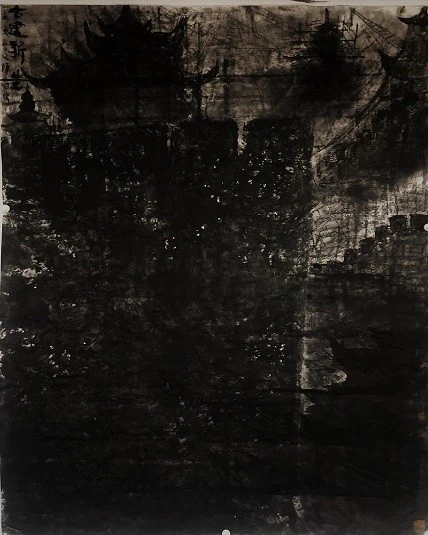
Sumi-e Painting Art embodies timeless elegance, conveying the essence of nature, life, and culture through delicate and minimalistic brushwork. These artworks hold profound cultural significance, carrying with them a connection to traditional East Asian values and symbolism. Sumi-e Painting Art showcases the mastery of Sumi-e techniques, with intricate details and brushwork that captures the soul of the subject matter.

Elevate your living and working spaces with the beauty and tranquility of Sumi-e landscapes, creating an atmosphere of serenity and inspiration. Sumi-e landscape paintings are highly prized by art collectors who appreciate their artistic mastery and connection to nature. These paintings offer a means for personal expression and gifting, enabling individuals to convey their appreciation for nature's beauty.

Sumi-e is a form of traditional ink painting that uses black ink on white paper to create simple, elegant, and minimalist depictions of natural or abstract subjects. It requires a careful and controlled brushstroke, and often features asymmetrical compositions and negative space to convey a sense of balance and harmony.

The Sumi-e technique involves the use of various ink tones, ranging from pale gray to deep black, which are created by diluting the ink with water. The brushstroke is done in quick, fluid motions, with no room for hesitation or correction. This technique is often associated with Zen Buddhism, emphasizing the importance of focus, patience, and simplicity.

Our Sumi-e painters are skilled in a wide range of subjects, from traditional landscapes and wildlife to contemporary and custom themes, providing versatility to suit any taste or style. We specialize in creating bespoke Sumi-e pieces tailored to your preferences, ensuring you have a one-of-a-kind masterpiece.
Definition of Sumi E Painting
SUMI-E is the Japanese word for Black Ink Painting. East Asian Painting and writing developed together in ancient China using the same materials -brush and ink on paper. Emphasis is placed on the beauty of each individual stroke of the brush. The Chinese speak of "writing a painting" and "painting a poem." A great painting was judged on three elements: the calligraphy strokes, the words of the poetry (often with double meanings and subtle puns) and the ability of the painting strokes to capture the spirit of nature rather than a photographic likeness.
Features of Sumi E Painting
Minimalism
Sumi-e painting emphasizes simplicity and minimalistic approach. It typically features monochromatic compositions with limited brushstrokes, using only black ink or a few other colors.
Focus on Lines
Sumi-e painting is characterized by the use of clean, fluid lines in every stroke. The lines are used to convey movement, emotion, and expression in the artwork.
Balance and Harmony
Sumi-e art is created with the principle of balance and harmony in mind. The goal is to achieve perfect harmony among the different elements of the painting, including the negative space and the composition.
Brush Control
Sumi-e painting relies heavily on brush control. The artist must have a deep understanding of the brush's potential, including its weight, shape, and size, to draw and paint with accuracy.
Ink Play
Sumi-e painting features ink-play techniques, which refer to the manipulation of ink and water on a paper surface. This technique produces various shades of grey and black hues that create an organic, natural texture in the artwork.
Nature Scenes
Sumi-e painting often depicts nature scenes that emphasize the silence and stillness of the environment. This feature aims to evoke a meditative mood and encourage introspection in the viewer.
Given the literal English translation of sumi-e to mean "painting in black ink", the common techniques artists use to create varying depths in their work include shading, ink density, and tonality. These can be achieved by obtaining different ink consistencies through the ink stick and ink stone and by diluting the ink load on the brush or painting with water.
The pressure used for each brush stroke also plays an important role in the liveliness and spirit conveyed by the painting. By changing the pressure throughout the length of a single brushstroke, artists can achieve a unique sense of fluidity to capture the essence of their subject.
Through these techniques and many other sumi-e painting methods, the black ink obtained from the ink stick and ink stone can vary from a silvery gray color to a deep shade of black.
Artists may also choose to add color to their basic black ink painting to create a greater sense of energy and dynamism. As with black ink, colored inks are made from natural sources such as plants, powdered jade, azurite, white pearls, and other minerals.

Common Sumi E Painting Themes
The beauty of sumi-e paintings lies in their power to present the different aspects of life through unique adaptations that do not necessarily aim to imitate common appearances. The natural process of things is given focus and serves as the inspiration for many artists to create sumi-e paintings that offer viewers a harmonious look into the universe.
The Four Gentlemen
The things that make up The Four Gentlemen consist of the following subjects, which each represents one of the four seasons:
Bamboo (Represents the Summer Season) – Symbolizes flexibility and endurance
Chrysanthemum (Represents the Fall Season) – Symbolizes perseverance and strength
Plum (Represents the Winter Season) – Symbolizes the promise of life and the joy of renewal
Orchid (Represents the Spring Season) – Symbolizes the promise of all beautiful things.
Flowers and Birds
When it comes to painting flowers and birds, an artist can choose to make use of the following styles:
Free Style – Which allows the artist to do his painting stroke by stroke and make use of shading techniques. Black or colored ink may be used.
Formal Style – Which allows the artist to carefully outline his painting before filling it in with black or colored ink.
Landscape
Asian landscape sumi-e paintings typically feature mountains and bodies of water (rivers, waterfalls, etc.). Depending on the artist's style and purpose, these paintings may present traditional or imaginary scenes.
Animals
Animals are among the most popular subjects used in Japanese sumi-e paintings. From colorful koi, to majestic horses, to imaginary dragons, artists are free to play with different shades of black or colored ink.
People
Iconic figures have always played an important role in Sumi-E paintings and many other forms of art. In sumi-e paintings, these people are often created using descriptive strokes and black ink with a few subtle hints of color.
Tips for Keeping Sumi E Painting
Even if you follow all of these tips on how to store paintings, it's still important to inspect them regularly for any signs of damage. If you notice any damage, take steps to correct the environment where the painting is being stored.
Before storing Sumi E paintings, make sure they are clean and free of dust and dirt. Instead of cleaning with a cloth, get an extra soft brush, like a goat hair brush and gently brush away dust. Rubbing a painting's surface with a cloth, could scratch dirt across the surface. When handling paintings, wear cotton gloves, as oils on your hands could damage the painting surface.
When storing Sumi E paintings, avoid putting them in direct sunlight as UV can cause certain pigments to fade over time. If you don't have another option but to store paintings near a window, use a curtain or blind to diffuse the light and protect your artwork.
Avoid storing Sumi E paintings in a garage, attic or a basement where the temperature and humidity can fluctuate greatly and cause damage to your paintings. These sudden changes in climate can cause paint to crack, warp or mildew. It's essential to store paintings in a room with low humidity. You could consider turning a closet or a small room into an art storage room, depending on how much space you need. If you don't have another room in your house that is suitable, consider renting space from a storage facility that offers climate-controlled units.
Light, temperature and climate can affect a Sumi E painting. Some types of paintings are more susceptible to damage than others.
It may be tricky, especially if you plan to store paintings at home, to completely regulate the climate in a room. Year round, there will be shifts in light, temperature and humidity that can't be avoided. However, there are some qualities to look for when choosing your storage.
Ultimate FAQ Guide to Sumi E Painting
Q: What subjects are typically depicted in Sumi paintings?
Q: What is the technique used in Sumi painting?
Q: What materials are typically used for creating Sumi-E paintings?
Q: Can I request a custom Sumi-E painting featuring specific mountain landscapes?
Q: How long does it typically take to create a Sumi-E painting?
Q: What sets Sumi-e painting style apart from other painting styles?
Q: Are Sumi-e artworks suitable for interior design and art collections?
Q: How can Sumi-e painting be used for personal expression and gifting?
1. Personal Expression: Sumi-e painting allows you to express your thoughts, emotions and feelings through brush strokes. You can express your innermost thoughts through the simplicity of Sumi-e painting.
2. Gifting: Sumi-e painting can be given as a gift to someone special. You can paint a portrait of your loved ones or create a landscape that symbolizes a special memory that you share with them. Sumi-e art is thoughtful and unique, creating a personal connection with the receiver.
3. Home Décor: You can create Sumi-e paintings as a part of home décor, whether it's for your own space or as a gift for someone else. These paintings are serene and can create a calming effect in any space.
Q: How to create Sumi-e paintings?
As previously mentioned, the tools for creating sumi-e paintings consist of the four essentials: ink stick, ink stone, brush, and paper or silk.
The specific materials one should look for before diving into the world of sumi-e include:
Thick canvas paper or rice paper
Standard bamboo brushes that come in different thicknesses and make use of natural hairs
Felt fabric (to help prevent the canvas paper or rice paper from sticking to the surface beneath)
Prepared Chinese liquid black ink (the ones used for calligraphy)
Colored, water-based paint
Saucers for blending colors
Two separate containers for water; one for clean water, the other for cleaning the brushes
Find inspiration
A: After acquiring all the needed materials, one should look for things that inspire him the most. As previously discussed, sumi-e is a form of expression and artists should have a great understanding of their subjects to effortlessly create stunning works of art, filled with liveliness and spirit.
Set aside some time to relax and focus on creating a sumi-e painting
A: A person should approach sumi-e painting with the right mindset of capturing the spirit of his subject. Creating a sumi-e painting is supposed to be a relaxing activity so a person should simply let his creativity flow and not let the pressure of making a mistake stop him from enjoying the experience.
Set up an adequate workspace
A: Creating sumi-e paintings requires a proper workspace with good lighting and lots of room for the artist's tools. Choosing a space that is quiet also helps in setting the right mindset for the activity.
Start with a light outline or sketch
A: Drawing a light sketch or outline of one's desired painting is not a problem and is highly encouraged for beginners. A pencil should be used for this process as the sketch can easily be covered by the black ink or colored paint.
Work on the details
A: The beauty of sumi-e paintings is that they can be as simple or as complex as possible. For those who want to create detailed works of art, it is recommended that each element be added one step at a time until the desired outcome is achieved.
A: High-quality materials can significantly impact the final result. When choosing materials, consider factors like paper weight, pigment quality, and brush types. Quality materials often result in better artwork.
Q: What is the significance of negative space in Chinese ink painting, and how is it utilized in compositions?
Hot Tags: e sumi, China e sumi