

Sumi-e painting, also known as ink wash painting, is a traditional East Asian art form that dates back over a thousand years. It originated in China and later spread to Japan and Korea. This art form emphasizes simplicity, elegance, and the use of black ink on paper or silk to create stunning visual expressions. In this blog, I'll introduce some famous Sumi-e painters and also share my perspective as a Sumi-e painters' supplier.
Chinese Sumi-e Painters
Qi Baishi (1864 - 1957)
Qi Baishi is one of the most celebrated Sumi-e painters in Chinese history. His paintings cover a wide range of subjects, including flowers, birds, fish, and insects. Qi was known for his ability to capture the essence of his subjects with a few simple strokes. His style was both traditional and innovative, combining the techniques of the past with a modern sensibility.
Qi's approach to Sumi-e was deeply rooted in his observations of nature. For example, his paintings of shrimps are masterpieces of Sumi-e art. With just a few deft strokes of the brush, he could convey the transparency, movement, and vitality of the shrimps. His works are not only aesthetically pleasing but also full of life and energy. You can find some Famous Sumi-e Paintings inspired by Qi Baishi's style on this link.
Xu Beihong (1895 - 1953)
Xu Beihong was another prominent Sumi-e painter in China. He was also a significant figure in the modernization of Chinese art. Xu combined Western art techniques, such as perspective and anatomy, with traditional Sumi-e methods. His most famous works often feature horses, which he painted with great power and grace.
Xu's paintings of horses are a testament to his skill and creativity. He used bold and dynamic brushstrokes to depict the strength and speed of the horses. His art was not only a form of aesthetic expression but also a means of national pride and cultural revival during a time of great change in China.
Japanese Sumi-e Painters
Sesshū Tōyō (1420 - 1506)
Sesshū Tōyō is a legendary figure in Japanese Sumi-e painting. He traveled to China to study painting and was deeply influenced by Chinese art. His style is characterized by bold and dramatic brushwork, as well as a sense of grandeur and scale.
One of his most famous works, "The Autumn Landscape," is a masterpiece of Japanese Sumi-e. The painting depicts a mountainous landscape in autumn, with misty peaks, flowing rivers, and trees in various shades of red and yellow. Sesshū's use of ink is masterful, creating a sense of depth and atmosphere that draws the viewer into the painting. His influence on Japanese Sumi-e art cannot be overstated, and his works continue to inspire artists today.
Hokusai (1760 - 1849)
Although Hokusai is perhaps best known for his woodblock prints, such as "The Great Wave off Kanagawa," he was also a skilled Sumi-e painter. His Sumi-e works often feature scenes from nature, including landscapes, animals, and plants.
Hokusai's approach to Sumi-e was characterized by a sense of playfulness and creativity. He was not afraid to experiment with different techniques and styles, and his works often have a sense of humor and whimsy. For example, his paintings of cats are full of personality and charm. You can explore more about Sumi E Painting Cat inspired by Hokusai's style on this link.
Korean Sumi-e Painters
Kim Hong-do (1745 - 1806)
Kim Hong-do, also known as Danwon, is one of the most important Sumi-e painters in Korean history. His paintings cover a wide range of subjects, including portraits, landscapes, and genre scenes. He was known for his ability to capture the daily life and culture of Korea during his time.

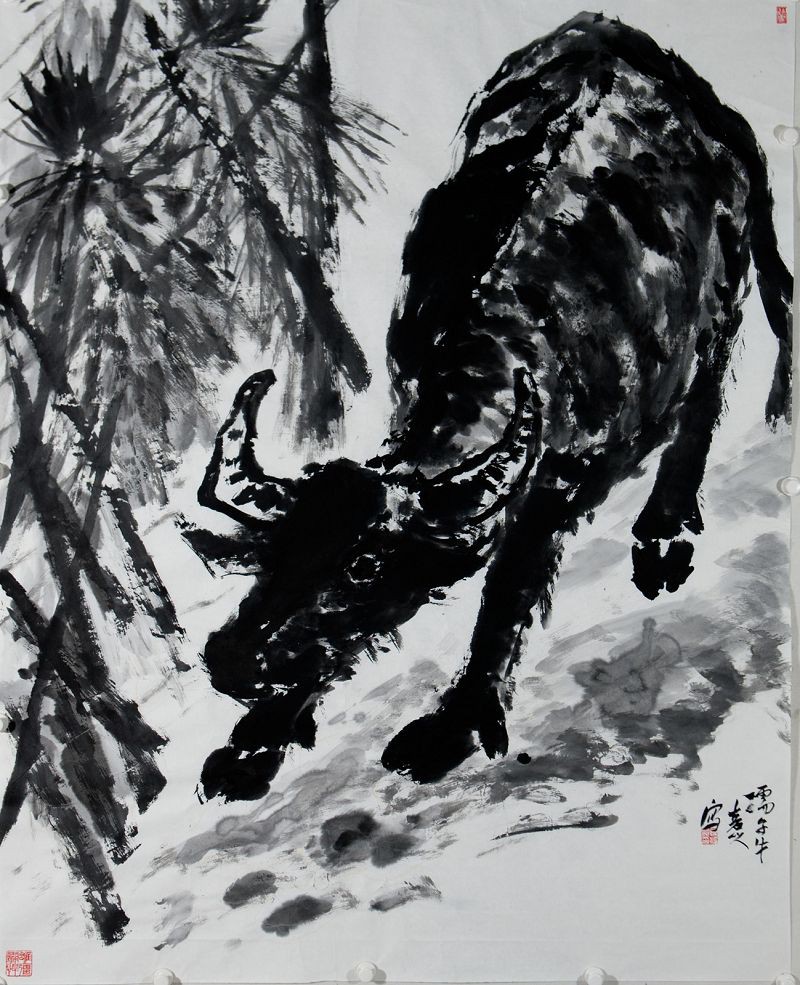
Kim's style was both realistic and expressive. His portraits, in particular, are remarkable for their attention to detail and the ability to convey the personality and emotions of the subjects. His landscapes are also beautiful, with a sense of tranquility and harmony. His works are an important part of Korean cultural heritage and have had a lasting impact on Korean art.
My Experience as a Sumi-e Painters' Supplier
As a supplier for Sumi-e painters, I have had the privilege of working closely with many talented artists. I understand the unique needs and requirements of Sumi-e painting, from the quality of the ink and brushes to the type of paper or silk used.
I source the highest quality materials for Sumi-e painting, ensuring that they meet the standards of the most demanding artists. The ink I provide is made from natural ingredients, which gives it a rich and deep color. The brushes are carefully selected for their softness, flexibility, and ability to hold ink. And the paper and silk are of the finest quality, providing a smooth surface for the ink to flow.
I also offer a wide range of products to meet the diverse needs of Sumi-e painters. Whether an artist is just starting out or is an experienced professional, I have the products they need. I believe that by providing high-quality materials, I can help artists to create their best works and continue the tradition of Sumi-e painting.
The Significance of Sumi-e Painting Today
In today's world, Sumi-e painting continues to be a popular and relevant art form. It offers a unique way of expressing creativity and emotion, using simple materials and techniques. Sumi-e painting is not only a form of art but also a means of meditation and self-reflection.
Many people are drawn to Sumi-e painting because of its simplicity and elegance. It allows them to slow down and focus on the present moment, as they carefully apply the ink to the paper. Sumi-e painting also has a universal appeal, transcending cultural and language barriers. It can be appreciated by people from all over the world.
Encouraging Contact for Procurement
If you are a Sumi-e painter or are interested in starting this beautiful art form, I invite you to contact me for procurement. I am dedicated to providing the best quality materials for Sumi-e painting at competitive prices. Whether you need ink, brushes, paper, or silk, I can help you find the products that suit your needs. Let's work together to continue the rich tradition of Sumi-e painting and create beautiful works of art.
References
- "The History of Chinese Painting" by James Cahill
- "Japanese Art: A Cultural History" by George Tanabe Jr.
- "Korean Art: A History" by John C. Young